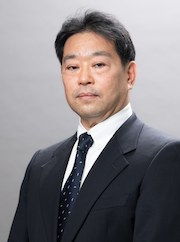
Prof. Sadao Kurohashi
Director-General
National Institute of Informatics (NII)
Japan
- Natural Language Processing
- Knowledge Infrastructure

Selected high-quality papers will be invited to submit extended versions to a special issue of the New Generation Computing journal (Springer), subject to the journal’s review process.
Visit the journal →The 15th International Joint Conference on Knowledge Graphs (IJCKG 2026) is an academic forum on Knowledge Graphs. The mission of IJCKG 2026 is to bring together researchers in the international Knowledge Graph community and related areas to present innovative research results and novel applications of Knowledge Graphs. IJCKG has evolved from the Joint International Semantic Technology Conference (JIST), a joint event for disseminating research results regarding the Semantic Web, Knowledge Graphs, Linked Data, and AI on the Web.
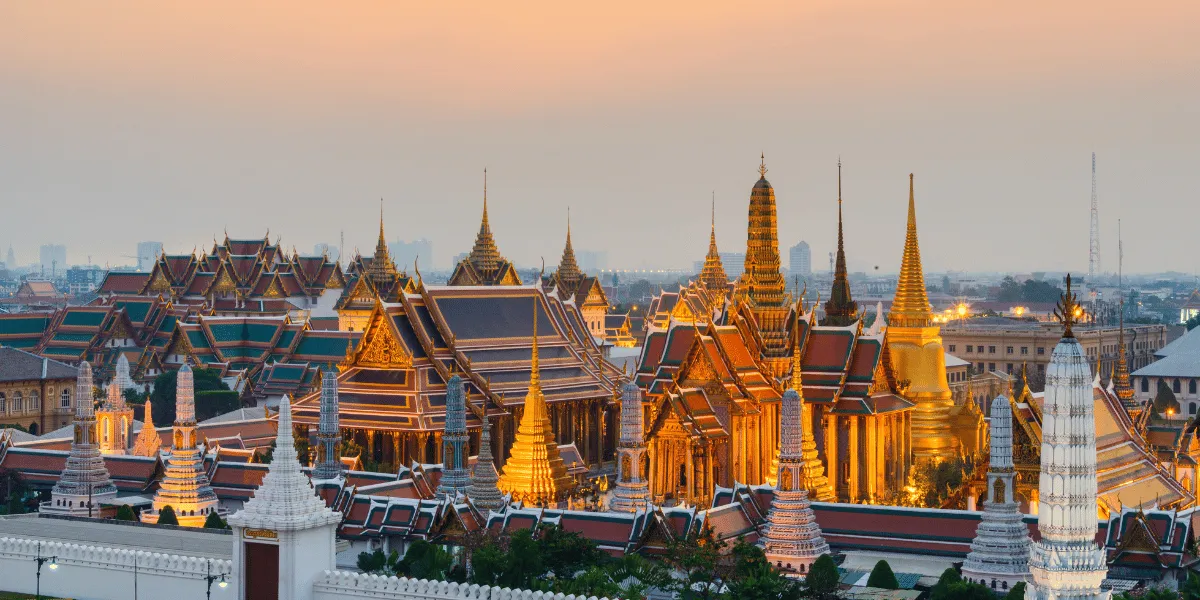
IJCKG 2026 will take place in Bangkok, Thailand, hosted by the National Electronics and Computer Technology Center, Thailand and the Artificial Intelligence Association of Thailand.
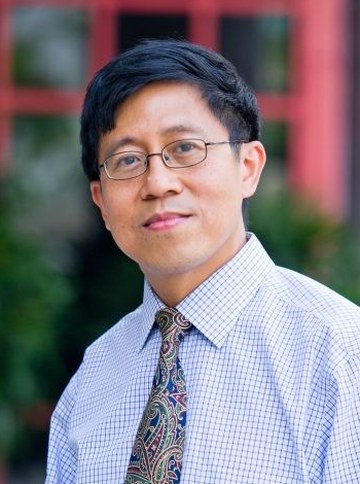
Multimodal large language models (MLLMs) have made substantial progress in video question answering (QA). Yet their ability to understand cultural content beyond what is directly visible remains largely underexplored. Cultural understanding requires reasoning over implicit knowledge, traditions, social norms, and temporal context, rather than simply recognizing objects, scenes, or actions. This talk examines the capabilities of MLLMs in cultural video QA, with a particular focus on their ability to recognize cultural concepts and ground supporting evidence in long-form videos. It will highlight both the strengths and current limitations of MLLMs, discuss key challenges in culture-aware video understanding, and outline promising research directions toward context-aware multimodal reasoning. The talk will also introduce the Cultural Moment Benchmark (CMB), a new benchmark designed to evaluate the capabilities of MLLMs in recognizing, grounding, and reasoning about cultural concepts in Southeast Asian (SEA) videos.
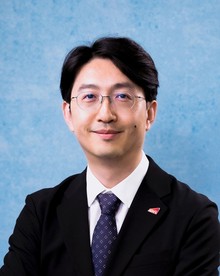
As AI becomes deeply embedded across the digital stack, the intersection of AI and security has become a critical frontier. This talk examines this evolving landscape, dissecting the expansion of attack surfaces within AI infrastructure, the weaponization of AI for sophisticated exploitation, and the strategic roadmaps required to secure our future. We conclude with a deep dive into recent advancements from CityUHK CS focused on the synergy of AI, security, and trustworthy systems.
Cong Wang is a Chair Professor and the Head of Computer Science Department at City University of Hong Kong. His research spans data security and privacy, AI systems and security, and blockchain and decentralized application security. He is an IEEE Fellow, a Founding Member of the Hong Kong Young Academy of Sciences, and a co-recipient of the 2024 BOCHK Science and Technology Innovation Prize. He has served as the Editor-in-Chief of IEEE Transactions on Dependable and Secure Computing.

Artificial Intelligence (AI) and Computer Vision (CV) are rapidly transforming how machines perceive, interpret, and interact with the world, creating new opportunities to address complex societal challenges. From traditional image processing techniques to advanced deep learning architectures, these technologies have evolved into powerful tools for developing intelligent, adaptive, and sustainable solutions across diverse domains.
This keynote explores the evolution of AI and Computer Vision through a series of research contributions and real-world applications, highlighting the transition from conventional feature-based approaches to deep learning-driven intelligent systems. Particular emphasis is placed on deep spatiotemporal learning frameworks for video anomaly detection, including Deep Spatiotemporal Translation Networks (DSTN) and Deep Residual Spatiotemporal Translation Networks (DR-STN), which enhance the detection and localization of abnormal events in surveillance environments.
The presentation further demonstrates how AI can contribute to human well-being through intelligent healthcare applications, including automated cataract detection and electromyography (EMG)-based robotic prosthetic systems. Beyond healthcare, the keynote highlights AI-driven innovations for smart cities and sustainable development, featuring real-time traffic incident detection using Edge AI, digital healthcare platforms, and regional AI literacy initiatives such as AI Ready ASEAN.
Drawing on research experiences, technological innovations, and practical implementations, this keynote emphasizes the importance of bridging the gap between academic research and real-world impact. It also discusses the opportunities and challenges of developing responsible, accessible, and scalable AI solutions that support digital transformation, public safety, healthcare accessibility, and sustainable development.
Ultimately, the keynote illustrates how advances in AI and Computer Vision can transform pixels into meaningful intelligence, driving progress toward a smarter, safer, and more sustainable world.
All submission deadlines for IJCKG 2026 have passed. They are listed here for reference (23:59 AoE).
For the workshop track, please refer to the website for the complete submission process.
| Registration Type | Registration Category | Early Bird | Regular |
|---|---|---|---|
| Presenting | Non-Member | USD 400 (13,000 THB) | USD 450 (14,500 THB) |
| Member (AIAT or JSAI) | USD 350 (11,500 THB) | USD 400 (13,000 THB) | |
| Student Non-Member | USD 225 (7,000 THB) | USD 300 (9,000 THB) | |
| Student Member (AIAT or JSAI) | USD 200 (6,000 THB) | USD 280 (8,000 THB) | |
| Non-Presenting | Participant | USD 225 (7,000 THB) | USD 300 (9,000 THB) |
| ผู้เข้าร่วมชาวไทย (ฟังนำเสนออย่างเดียว) | 2,000 THB | ||
IJCKG 2026 will be hosted at the Ramada Plaza by Wyndham Bangkok Menam Riverside. Opened in 1986 as the Menam Riverside Hotel and later rebranded under Wyndham Hotels & Resorts, the property spans 3.5 acres with 285 metres of river frontage and 501 rooms and suites — blending contemporary design with Thai elements, from 36 m² rooms to 170 m² suites overlooking the river, pool, or city skyline.
Set on Charoenkrung Road along the eastern bank of the Chao Phraya River, it opens the door to Bangkok’s landmarks — the Temple of the Emerald Buddha, the Temple of Dawn (Wat Arun), and the city’s vibrant Chinatown.
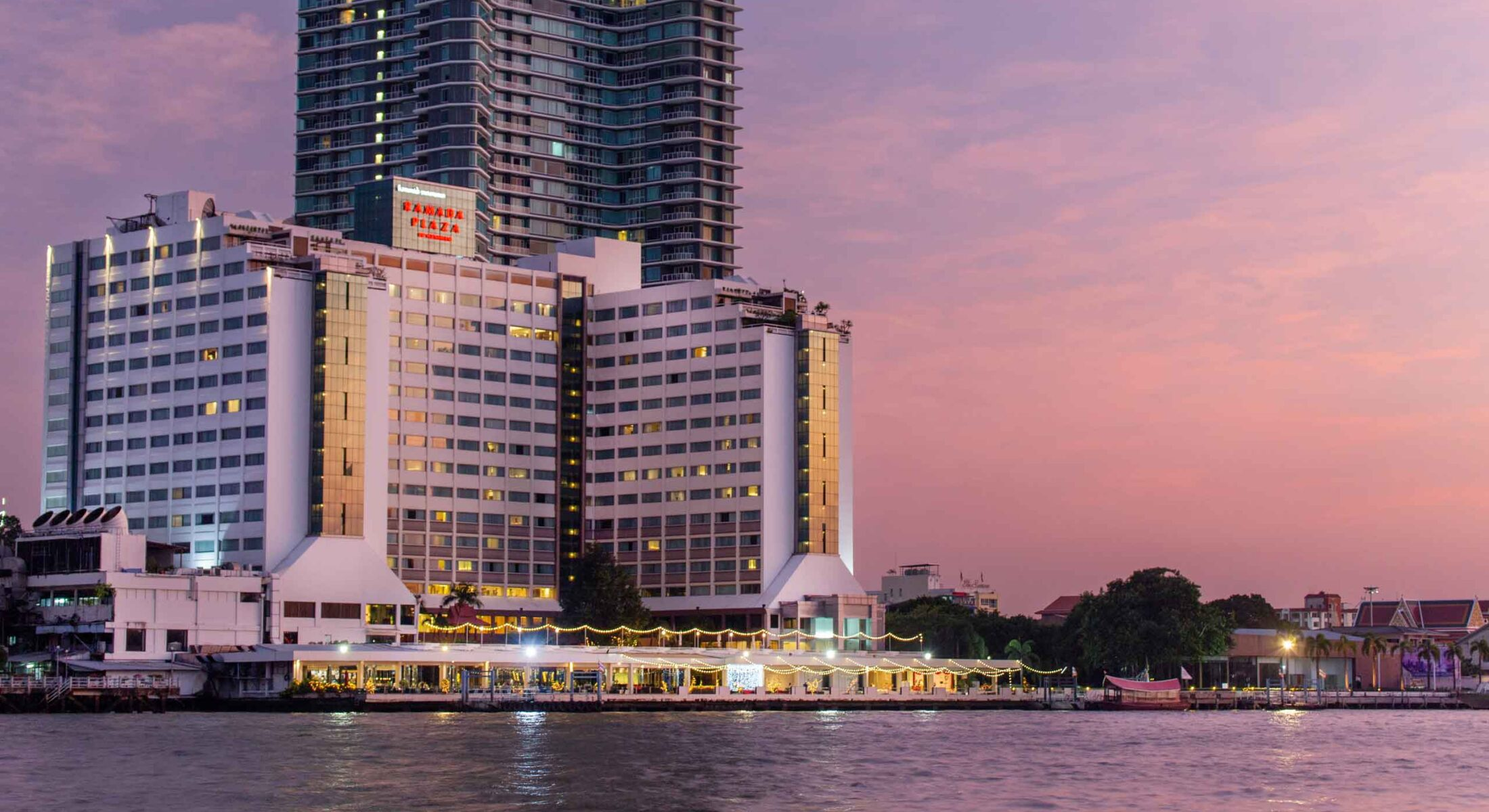
Stay where the conference happens. Outdoor pool, fitness centre and spa, and a free shuttle boat for guests to Saphan Taksin BTS.
All are on the same side of the river as the venue, sorted by distance.
Boutique hotel next to the venue, a short walk from Asiatique. Rooftop bar and restaurant; Executive Studios have a mini kitchen. Check whether breakfast is included.
Route to venue →Budget option near Asiatique with a fifth-floor Sky Pool and an on-site restaurant. Check whether breakfast is included.
Route to venue →On Charoen Rat Road; a taxi is recommended. Seventh-floor pool, fitness room, and a free shuttle twice a day to Surasak and Saphan Taksin BTS.
⚠ Some reviews mention late-night noise on the city-view side.
Route to venue →Breakfast included. Outdoor pool and 24-hour fitness centre; suites have kitchenettes. Near Saphan Taksin BTS and Sathorn Pier.
Route to venue →Outdoor pool, fitness area and sauna; many studio and one-bedroom units have a full kitchen. About 3 minutes' walk to Saphan Taksin BTS.
Route to venue →Rooms with kitchen facilities, an outdoor saltwater pool and a fitness centre with sauna. Next to Saphan Taksin BTS. November rates vary widely.
Route to venue →On Silom Road near Surasak BTS. Outdoor pool, fitness centre and free Wi-Fi; breakfast costs extra. A taxi is recommended. Not the Hilton Garden Inn Bangkok Riverside, which is across the river.
Route to venue →* Straight-line distance from the venue. The road distance is shown below it, and Bangkok traffic can make even short taxi rides slow.
** Indicative November nightly rates from KAYAK, checked on October 21, 2026. They are not quotes: rates change daily, so check the hotel for current prices, taxes and whether breakfast is included.